If you sell on eBay for a living, you know that the rules change fast. In 2026, the biggest threat to your shop isn't just competition. It is eBay’s own search engine, Cassini. This algorithm has become very smart at finding "repeats" in the marketplace.
If the system thinks you are cluttering search results with the same product, it won't just hide one listing. It might hide your whole store. This is a technical penalty called Search Suppression. To keep your sales steady, you need to make sure every single item you upload looks unique to the eBay "bots."
Why Duplicates Keep Happening
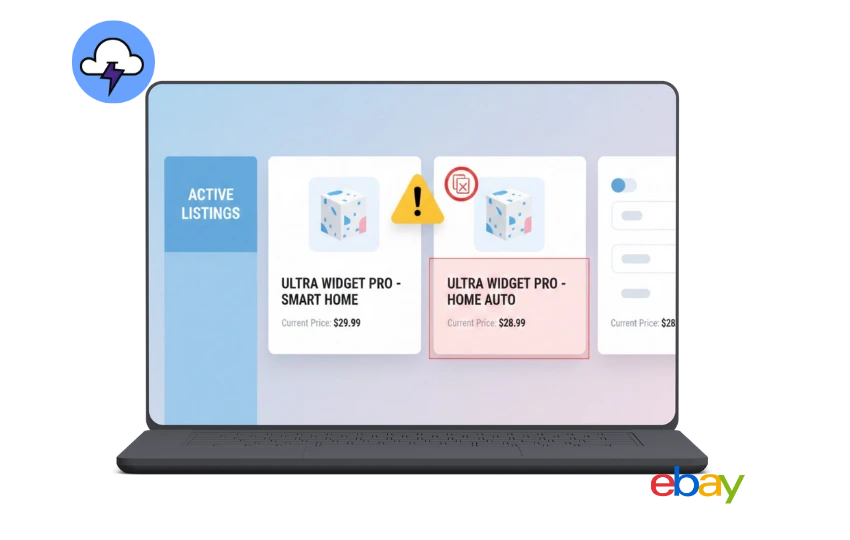
Most sellers don't mean to break the rules. Duplicates usually happen because of a technical problem called Data Ghosting. This is when old automation tools push the same exact data to eBay over and over again without checking if it already exists.
1. The Problem With Having Many Stores
Many people run two or three eBay stores to reach more buyers. If you list the same item from Amazon or AliExpress on all three stores using the same title, you will get caught. eBay uses a model called Expanded Halo Attribution to link your accounts together. If the listings match, they get flagged as "Clones."
2. AI Scanning Your Photos
eBay now looks at the actual pixels in your images. If you use the standard stock photo that every other dropshipper uses, eBay will hide your listing. They want to see Merchant Diversity. This means they want the search page to look different for the buyer.
3. SKU and UPC Conflicts
If you use the same Manufacturer Part Number (MPN) or GTIN and don't change your Item Specifics, you are asking for trouble. This is the fastest way to trigger a duplicate flag.
Case Study: How One Store Fixed Their Traffic Drop
The Seller: "Alpha Dropshipping" managed over 3,000 items.
The Problem: Their views dropped by 65% in a single month. Their items were "Active" but nobody could find them in search.
The Audit: We found that 40% of their shop was identical to their competitors because they were all using the same supplier data.
The Solution:
- New Tool: They switched to the SuperDS Non-API Lister. This stopped the "API footprint" that was tipping off eBay.
- Better Titles: They used the Title Builder to change the first three words of every listing.
- Image Shuffling: They flipped the main photo and used the third photo from the supplier as the new "Main" image.
- The Result: In two weeks, their traffic came back. Their sales went up by 42% because eBay finally stopped hiding their items.
Simple Habits To Keep Your Store Safe
You need a "Unique-First" plan to stay in business.
Use a Non-API Lister
The SuperDS Non-API extension is different. It works inside your browser just like a human would. It types the information into the eBay form for you. This avoids the "Bulk Upload" flags that often lead to your listings being checked for duplicates.
The "Rule of Three"
Every time you list an item, change at least three things:
- The Title: Put a different keyword or brand detail at the very beginning.
- The Price: Change it by a few cents. Even a small difference helps.
- The Look: Change the order of your photos or use a background editor.
Use VeRO Protection
Duplicates and copyright strikes often happen together. The SuperDS VeRO Protection tool checks your words before you list. This keeps your store safe from brand owners and from eBay's duplicate filters at the same time.
Helpful Links for Sellers
- Official Rules: eBay Multiple Postings Policy. Learn where eBay draws the line.
- SEO Tips: eBay SEO Guide 2026. How to get to the top of search.
Conclusion
Success on eBay in 2026 is about being unique. If you use the right habits and the right tools, you won't have to worry about your listings being hidden. Focus on making every listing stand out and use Non-API automation to keep the "bots" happy.
Want to check your store? Go to the SuperDS Guides to learn how to find and fix duplicates before eBay finds them for you.