
Creating an eBay seller account takes about 15 minutes: register at ebay.com with an email and phone number, verify your identity with a government ID and bank account, and choose between a personal or business account. Selling access activates as soon as verification clears, usually the same day.
The setup itself is easy. The decisions inside it, personal versus business, what name to use, how to survive the verification and the first-month restrictions, are where new sellers create problems that surface months later as payout holds or tax confusion. This guide walks the whole path, including the parts eBay's own flow does not explain.
Personal vs Business Account: Decide First
This choice shapes taxes, limits, and what buyers see:
| Factor | Personal Account | Business Account |
|---|---|---|
| Best for | Selling your own items, testing | Reselling, dropshipping, volume |
| Name shown | Your name | Registered business name |
| 1099-K reporting (US) | To your SSN | To your EIN |
| VAT/tax settings (UK/EU) | Individual | Business registration required |
| Switching later | Possible | Possible, with re-verification |
The honest rule: if you intend to resell products for profit, start with a business account even before you have formal registration in place, using a sole proprietorship under your own name where allowed. Matching the account type to reality from day one avoids the re-verification pause later, exactly when your store has momentum. The US 1099-K threshold sits at $2,500 gross for 2026, so "hobby scale" stops being invisible to tax authorities very quickly; our dropshipping tax guide covers what that means in practice.
Step-by-Step Registration
- Go to ebay.com and click Register. Choose personal or business up front; the business flow asks for company details and a contact person.
- Use a clean email and a real phone number. The phone gets verification codes; VoIP numbers often fail. The email becomes your primary eBay identity, so avoid throwaway addresses.
- Pick a username buyers can trust. It appears on every listing. "brandable_store_name" outsells "xx_random_1994". You can change it later, but feedback history reads better under a stable name.
- Add your bank account. eBay pays through managed payments directly to a bank account, not PayPal. The account holder name must match your verified identity or payouts stall.
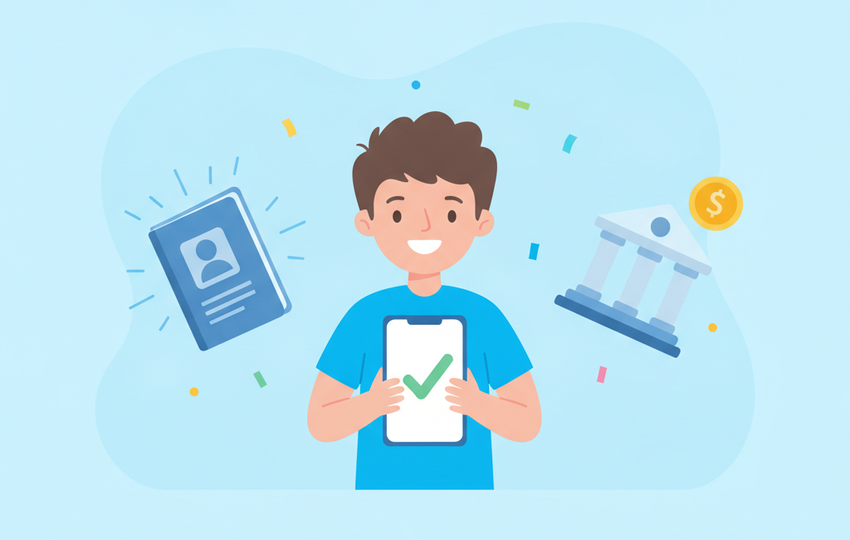
- Complete identity verification. Government ID plus sometimes a selfie check. Business accounts add company documents and beneficial owner details. Most verifications clear within hours; mismatched name or address details are the usual reason for the ones that do not.
- Set up your first listing defaults. Create one shipping, payment, and return policy before your first listing; the business policies guide shows the settings that protect your metrics from day one.
What Nobody Tells You About the First 90 Days
Selling limits start tiny. Around 10 items or $500 a month for a fresh account. This is by design: eBay tests new sellers small. Sell reliably and request increases every 30 days; the process and the tricks that speed it up are in the selling limits guide.
Payout holds are normal. Expect funds held up to 30 days on early sales while eBay builds trust in your delivery. Plan cash flow so you can buy from your supplier before eBay releases the buyer's money. This one constraint shapes starting with no money more than anything else.
Early metrics are unforgiving math. With 10 sales, one defect is a 10% defect rate. The same defect at 500 sales is invisible. Ship on time, describe honestly, and answer messages fast during the small-numbers phase; the seller levels guide explains which metrics matter and their thresholds.
One account per seller is the rule. eBay allows multiple accounts only with clean separation and legitimate purpose. Creating a second account to escape limits or a suspension links back to you through payment details and gets both closed. The rules are covered in the multi-account guide.
Common Registration Problems and Fixes
Verification keeps failing. Name, address, and date of birth must match the ID exactly, including middle names. Bank account in a different name than the verified identity is the top silent blocker.
Phone code never arrives. Carrier-level SMS filtering or a VoIP number. Use a direct mobile number; retry after 24 hours if the limit was hit.
"Registration suspended" immediately. Usually device or network association with a previously suspended account, shared WiFi, a used laptop, or a household member's old account. Appeal through eBay support with your documents rather than opening a fresh account, which makes it worse. Prevention beats appeal; see the suspension guide.
Wrong country marketplace. Register on the eBay site of the country where you live and bank. You can sell internationally from any of them; mismatched registration and banking countries create verification loops.
From Empty Account to First Sale
Once verified, momentum matters more than perfection:
- List 5 to 10 items within the first week; accounts that list and sell early get limit increases faster
- Start with items you own to build feedback cheaply, then move to sourced products
- Write titles with real keywords, or use a title builder that pulls them from live search data
- Check every branded item against the VeRO list before listing; new accounts get less benefit of the doubt on IP claims
- Price with the fee calculator so your first sales are actually profitable
- Ship within one business day with tracking, every time
The full selling mechanics, from listing anatomy to shipping, are in our beginner's guide to selling on eBay.
New Account Checklist
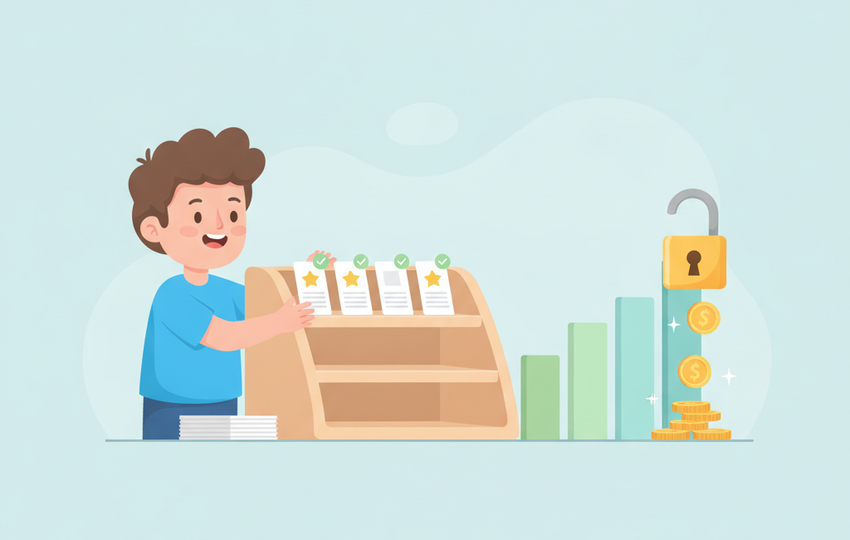
- Account type matches intent (business for reselling)
- Username is brandable and stable
- Bank account name matches verified identity
- ID verification completed same day
- Business policies created before first listing
- 5 to 10 listings live in week one
- Every sale shipped in 1 business day with tracking
- Limit increase requested at day 30
- Cash buffer ready for the payout-hold window
A seller account is infrastructure: boring to set up, expensive to set up wrong. Do the identity and banking details carefully once, survive the small-limits phase with clean metrics, and the account compounds from there. When you are ready to stock that new account with listings at speed, SuperDS imports products from 15+ suppliers with one click. Start free alongside your new account.