
Publishing one listing at a time works when your store is small. As inventory grows, that approach quickly becomes inefficient. Sellers who scale to hundreds of listings need a structured way to activate listings in groups without creating pricing errors, inventory issues, or revision spikes.
A bulk lister solves that problem by allowing sellers to publish prepared listings in controlled batches. Instead of exposing listings immediately after creation, the workflow separates preparation from activation. This reduces risk while still allowing stores to scale quickly.
Many sellers begin with a staging workflow where products are first imported as drafts. That preparation step is explained in Bulk Import eBay Drafts Safely in 2026, where listings are reviewed before they ever reach the marketplace.
What a Bulk Lister Actually Does
A bulk lister is a publishing tool that activates multiple eBay listings at the same time after they have been reviewed and finalized. Rather than creating listings directly on the live marketplace, sellers prepare listings first and then release them in batches.
This workflow separates listing creation from listing exposure. Titles, pricing, item specifics, and inventory verification can all be completed before the listings are visible to buyers.
When publishing happens in batches, sellers maintain control over how many listings go live and when those listings appear.
Why Batch Publishing Reduces Listing Errors
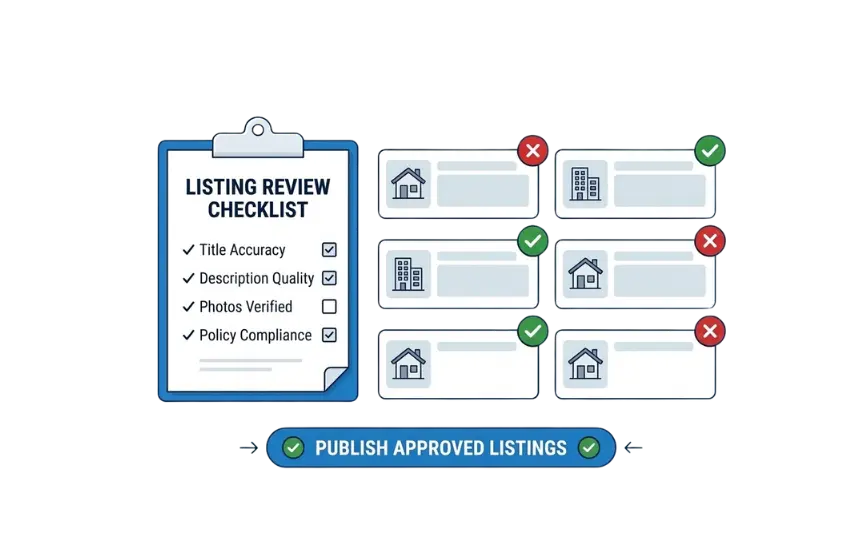
Publishing listings one by one often leads to inconsistent review. When a seller activates dozens of listings quickly, small errors can slip through unnoticed. Batch publishing forces a structured review stage before activation.
Pricing verification is one of the most important steps in this process. Supplier prices can change throughout the day, and publishing listings immediately after import may expose outdated margins. A bulk listing workflow allows sellers to verify margins before activation rather than after the listing is already live.
Inventory verification also becomes easier when listings are activated in groups. Sellers can confirm supplier availability before publishing, which reduces the likelihood of cancellations caused by out-of-stock products.
How Bulk Listing Supports Controlled eBay Scaling
Scaling a store requires increasing listing volume without increasing instability. Bulk listing makes this possible by separating preparation work from the moment listings become visible to buyers.
Instead of reacting to supplier changes or background automation triggers, sellers control when listings are activated. Publishing in batches also reduces sudden spikes in listing revisions.
eBay’s developer documentation explains how listing updates and API interactions are processed within the platform
When sellers rely on continuous automated updates, listing activity may increase rapidly. Batch publishing creates a more stable listing pattern.
The Workflow Behind Bulk Listing
Bulk listing typically follows a structured sequence. Listings are first created and reviewed in draft status. Pricing and item specifics are verified to ensure the listing is complete and accurate. Inventory availability is checked so that the listing reflects real supplier stock.
Once these steps are complete, the listings are published in organized groups rather than individually. The Bulk Lister feature allows sellers to activate multiple listings at once while maintaining full control over the final publishing step.
This approach reduces rushed decisions and prevents accidental exposure of incomplete listings.
Case Comparison: Instant Publishing vs Batch Listing
| Scenario | Instant Listing Model | Bulk Listing Workflow |
|---|---|---|
| Listing Activation | Items go live immediately | Listings released in batches |
| Pricing Verification | Often done after publishing | Confirmed before activation |
| Inventory Confirmation | May be overlooked | Verified during review |
| Listing Revisions | Higher early revision activity | More stable revision patterns |
| Scaling Efficiency | Limited by manual publishing | Efficient batch publishing |
The difference lies in the timing of exposure. Batch publishing ensures listings are complete before they become visible to buyers.
When Sellers Should Use a Bulk Lister
Bulk listing becomes essential once stores begin managing larger product catalogs. Sellers with hundreds of SKUs benefit from a system that allows them to activate listings efficiently without sacrificing accuracy.
Stores migrating from automated workflows often adopt batch publishing because it provides control over listing behavior while still supporting large inventory expansion.
When combined with a draft staging process, bulk listing creates a structured publishing pipeline that separates preparation from activation.
Final Thoughts on Bulk Listing for eBay
Scaling an eBay store requires more than adding inventory. It requires a workflow that protects pricing accuracy, inventory reliability, and listing stability.
Bulk listing allows sellers to publish multiple listings in controlled batches rather than exposing products immediately. This approach reduces revision noise, improves accuracy, and supports long-term store growth.