Yes, dropshipping is legal in the United States, the UK, every EU country, Canada and Australia in 2026, and no US state bans it. Dropshipping is a retail fulfillment method: you sell a product, and a supplier ships it straight to your buyer. It turns illegal when the way you run the store breaks a normal retail law, such as selling counterfeits, missing a shipping promise, or skipping sales tax.
So the useful question isn't "is dropshipping legal?" It's "which rules apply to my store?" This guide covers the legal requirements by country, the platform rules on eBay, Amazon and Shopify, and the mistakes that get sellers into trouble.
This guide is general information, not legal advice. Check the rules where you live and sell.
Key Legal Requirements for Dropshipping
A dropshipping store follows the same laws as any online shop. Five areas matter:
- Business registration and taxes: you register the business where you live, then collect sales tax, VAT or GST based on where your buyers are.
- Truth in advertising: in the US, Section 5 of the FTC Act bans deceptive claims. That covers fake "only 2 left" timers, edited product photos that misrepresent the item, and shipping times you can't hit. The FTC's 2024 Consumer Reviews Rule also bans fake or bought reviews.
- Shipping promises: the FTC Mail, Internet or Telephone Order Merchandise Rule says you must ship within the time you state, or within 30 days if you state none. If you can't, you must tell the buyer and offer a cancellation with a full refund.
- Intellectual property: selling counterfeits, copied logos or brand photos you don't have rights to is illegal, and platforms remove the listing first and ask questions later.
- Consumer protection and product safety: the buyer's contract is with you, not your supplier. If the product is unsafe or not as described, you are the seller of record and you are liable.
The FTC's own guide to the Mail Order Rule is the clearest explanation of the shipping rule, and it applies to every US dropshipper, whatever platform you use.
Dropshipping Legal Requirements by Country
Dropshipping is legal in all of these markets. What changes is the tax setup and the consumer rules.
| Country | Legal? | Registration | Sales tax, VAT or GST | Rule sellers miss |
|---|---|---|---|---|
| United States | Yes | Sole proprietorship or LLC, EIN from the IRS | State sales tax once you pass a state's economic nexus threshold | FTC 30 day shipping rule |
| United Kingdom | Yes | Sole trader or Ltd, registered with HMRC | VAT registration above £90,000 taxable turnover | 14 day cancellation right on online orders |
| European Union (incl. Germany, Poland) | Yes | Register in your country of residence | VAT, with OSS and IOSS for cross-border sales (IOSS covers imports up to €150) | EU responsible person for product safety since December 2024 |
| Canada | Yes | Sole proprietorship or corporation | GST/HST registration above C$30,000 | Provincial consumer protection acts |
| Australia | Yes | ABN | GST registration above A$75,000 | Australian Consumer Law guarantees |
Is Dropshipping Illegal in Certain States?
No US state makes dropshipping illegal. What varies by state is sales tax. Since the 2018 South Dakota v. Wayfair Supreme Court decision, a state can require you to collect its sales tax once your sales into that state pass its economic nexus threshold, commonly $100,000 a year, and some states also count 200 or more transactions. On eBay and Amazon, the marketplace collects and remits sales tax for you in every US state that has a sales tax, which removes the biggest headache for small sellers. You still owe income tax on your profit. Our dropshipping tax guide walks through the setup.
Is Dropshipping Legal in the UK?
Yes. UK dropshippers register with HMRC as a sole trader or limited company and register for VAT once taxable turnover passes £90,000. UK online buyers also get a 14 day right to cancel under the Consumer Contracts Regulations 2013, so your returns policy can't be "no returns" for change of mind. eBay UK applies the same dropshipping policy as eBay US.
Is Dropshipping Legal in Poland and Germany?
Yes. Poland and Germany follow EU rules, plus a few national extras. Since 13 December 2024, the EU General Product Safety Regulation requires most consumer products sold in the EU to have a responsible economic operator based in the EU. German buyers also expect an Impressum (legal notice) on your store, and Germany's Packaging Act requires sellers who ship packaged goods to German consumers to register in the LUCID packaging register. A supplier shipping from China doesn't cover these for you.
Dropshipping Countries to Avoid
No major market bans dropshipping, so "countries to avoid" is about risk. Three kinds are worth skipping when you start:
- Destinations under comprehensive US, UK or EU sanctions. Selling or shipping there can be a legal violation, not only a platform one. Check the OFAC sanctions list before you enable a country.
- Markets with strict product safety rules you can't meet yet, like the EU responsible person requirement for electronics, toys and cosmetics.
- Countries where your supplier's shipping time is longer than the delivery window you advertise. That's where FTC style "false shipping promise" problems start.
Is Dropshipping Legal on eBay?
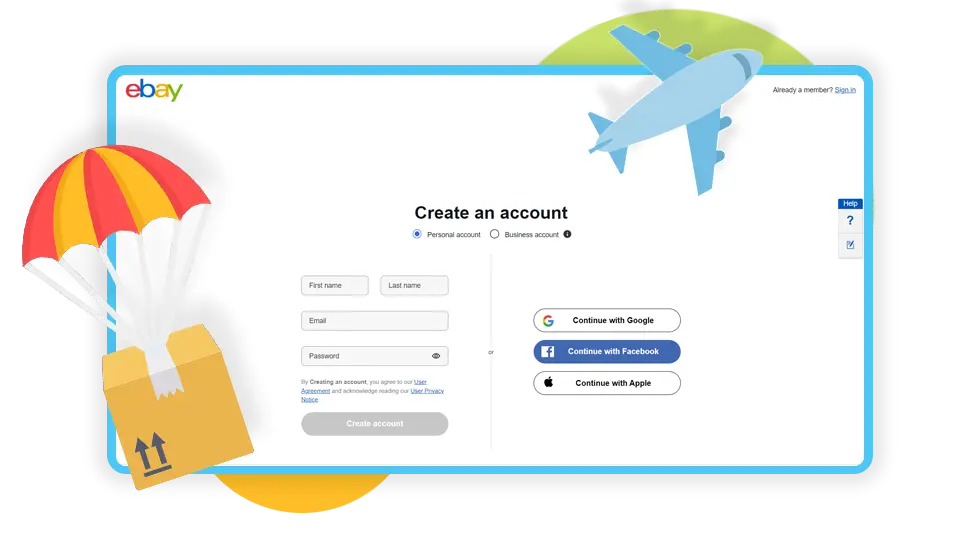
Yes, dropshipping is legal on eBay when you fulfill from a wholesale supplier. eBay's dropshipping policy states: "Dropshipping, where you fulfill orders directly from a wholesale supplier, is allowed on eBay." It also states: "Listing an item on eBay and then purchasing the item from another retailer or marketplace that ships directly to your customer is not allowed on eBay."
That second sentence is the one that catches most new sellers. Buying from Amazon, Walmart or Temu and shipping to your eBay buyer is retail arbitrage, and eBay treats it as a policy violation. Consequences range from listing removal to account restrictions and suspension. eBay also says you stay responsible "for the safe delivery of the item within the time frame stated in your listing."
Policy-fit sources for eBay are wholesale and dropshipping suppliers: CJDropshipping, Alibaba, Saleyee, and AliExpress through its dropshipping program and private agents. Our eBay dropshipping policy guide goes through every clause.
Is Dropshipping Legal on Amazon and Shopify?
Amazon allows dropshipping under its Drop Shipping Policy: you must be the seller of record, you must be identified as the seller on packing slips and invoices, anything that identifies the third party supplier must be removed before shipping, and you handle returns. Amazon doesn't allow buying from another online retailer and having it ship to your Amazon customer.
Shopify allows dropshipping with the fewest restrictions, because you own the storefront. Shopify's terms still require you to follow the law, describe products accurately and avoid prohibited items.
| Platform | Dropshipping allowed? | Key restriction | What happens if you break it |
|---|---|---|---|
| eBay | Yes, from wholesale suppliers | No buying from another retailer or marketplace | Listing removal, restrictions, suspension |
| Amazon | Yes, with conditions | You are seller of record, no retailer sourcing | Account suspension |
| Shopify | Yes | Follow applicable laws and Shopify's terms | Store closure |
| Etsy | Limited | Handmade, vintage or craft supplies; production partners disclosed | Listing removal, account ban |
Can You Get in Trouble for Dropshipping?
Yes, you can get in trouble for dropshipping, even though the model is legal. The trouble comes from what you sell and what you promise. For a small eBay seller, the practical risk is rarely a lawsuit. It's a VeRO strike or a policy violation that closes the account, which is worse for the business and far more common.
Dropshipping Copyright and Trademark Claims
Using a brand's name, logo or product photos without permission is the fastest way to lose a listing. On eBay, rights owners report infringing listings through the Verified Rights Owner (VeRO) program, and eBay removes them. Repeat strikes lead to account restrictions. Brands like Nike, Apple, Disney and Louis Vuitton enforce actively. Even "Nike style" in a title can trigger a report. Check the brands most active on VeRO before you source.
Copyright covers product photos too. Use photos your supplier lets you use, or take your own. Never lift photos from a brand's own website.
Tax Problems
Dropshipping doesn't exempt you from tax. Not registering, not collecting sales tax where you owe it, or not reporting income can lead to back taxes, penalties and interest. Keep records of revenue, supplier costs, shipping, platform fees and software, since most of these are deductible.
Shipping Delays and Refunds
Advertising 5 day delivery on a product that takes 15 to 30 days from an overseas supplier is a false shipping promise under the FTC rule, and on eBay it shows up as late shipments and "item not received" cases. Neither the law nor the platforms accept "no refunds". If an order doesn't arrive, the buyer gets their money back, from you.
Product Liability
If a product injures someone, the seller of record can be named in the claim. That's why hazardous categories like cheap chargers, children's products and cosmetics carry more legal risk than a phone case. Stick to low-risk categories until you have insurance and a supplier you trust.
Can Anyone Be a Dropshipper?
Almost anyone can start dropshipping, but the platforms require an adult account holder. eBay's User Agreement asks users to be able to form legally binding contracts, for example by being over 18. Shopify requires you to be 18 or the age of majority where you live. Under 18s usually run the store with a parent or guardian as the account holder.
How to Dropship Legally: Step by Step
- Register the business. A sole proprietorship works to start. An LLC (US) or Ltd (UK) separates personal and business liability. Get an EIN or your country's tax ID.
- Set up tax. Get a resale certificate if your state issues one, and check which states or countries you need to register in.
- Pick policy-fit suppliers. Wholesale and dropshipping suppliers, not retail stores, if you sell on eBay or Amazon.
- Screen every product for brands and IP. Run titles through a VeRO checker before listing.
- Write honest listings. Real photos, accurate materials, and a handling time your supplier can meet.
- Publish store policies. Returns, shipping, privacy. Add GDPR basics if you sell to the EU.
- Review quarterly. Platform policies and tax thresholds change. Put a date in your calendar.
How to Keep an eBay Dropshipping Store Compliant
The legal work is mostly setup. The daily risk is listing something you shouldn't. SuperDS VeRO Protection checks each product against VeRO brands before upload and alerts you before it goes live, and its title review flags protected terms in titles you've already written. Plans start at $29.99 a month (Basic). The free VeRO checker runs the same brand check one title at a time.
Dropshipping Legal Compliance Checklist
- Business registered, tax ID obtained
- Sales tax, VAT or GST registration checked for every market you sell to
- Suppliers are wholesale or dropshipping suppliers, not retail stores
- Every title screened for VeRO brands before listing
- Handling time in listings matches real supplier times
- Returns policy meets your buyers' legal rights (14 days in the UK and EU)
- Privacy policy published, GDPR ready if you sell to the EU
- EU products have an EU responsible person
- No fake reviews, fake timers or edited photos
- Policy and threshold review booked every quarter