eBay has confirmed significant updates to Promoted Listings that will fundamentally change how ads are displayed and attributed starting January 13, 2026. While advertising remains a core visibility tool, these changes introduce a "pay-to-play" dynamic that requires sellers to be much more strategic with their margins.
This guide breaks down the shift to Expanded Halo Attribution and how sellers can adapt using smart automation logic.
The Two Major Changes for 2026
According to an official eBay Seller Announcement, there are two pillars to this update that every seller must know before the January deadline.
1. Exclusive Access for Priority Campaigns
Starting in January, listings using the Priority Campaign strategy (the cost-per-click model) will get exclusive access to the first ad slot at the top of search results.
- The Impact: If you only use General (cost-per-sale) campaigns, you can no longer appear in the #1 sponsored spot. This effectively reserves the highest visibility for sellers willing to pay per click.
2. Expanded Halo Attribution (The "Any-Click" Rule)
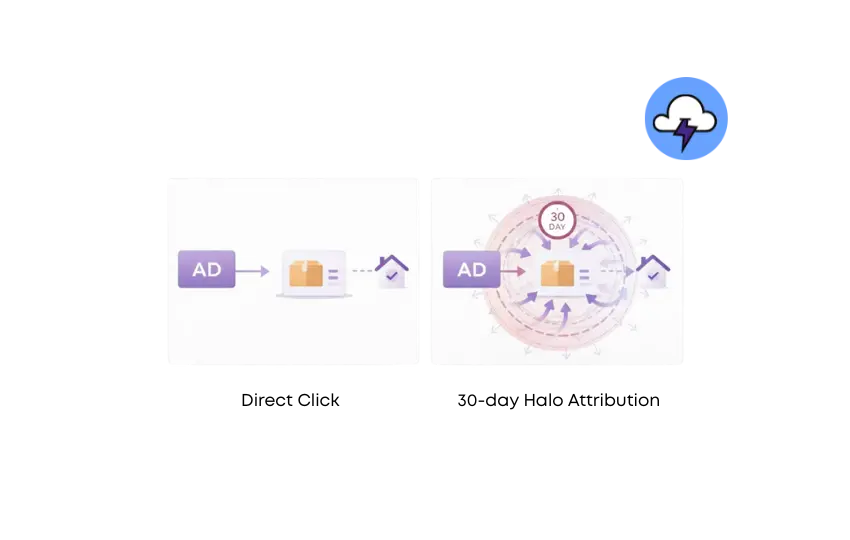
This is the most talked-about change. Previously, you only paid an ad fee if the buyer who clicked your ad was the one who bought the item.
- The New Rule: A sale is now attributed to your ad if any buyer clicks the ad and the item sells within 30 days, even if the final buyer found you organically.
| Feature | General Strategy (Standard) | Priority Strategy (Advanced) |
|---|---|---|
| Payment Model | Cost-per-Sale | Cost-per-Click (CPC) |
| Top Ad Slot Access | No | Yes (Exclusive) |
| Attribution | 30-Day "Any Click" | 30-Day Click-to-Sale |
Why the 30-Day Window Matters for Dropshippers
For dropshippers, this update essentially acts as a fee increase. If a competitor or a "window shopper" clicks your ad on Monday, and a real buyer finds your listing via search two weeks later, you still pay the ad fee.
This makes your "organic" sales much more likely to incur an advertising charge. To survive this, your eBay pricing strategy must be airtight. You can no longer afford "thin" margins if 80-90% of your sales are now potentially attributed to ads. Test each price with your ad rate included in the eBay fee calculator before you promote it.
How to Protect Your Margins Before January 13
This update is a clear signal from eBay: Listing quality is no longer optional. If you rely 100% on ads to hide bad titles or poor item specifics, your costs will skyrocket.
1. Boost Organic Visibility
The best way to "beat" the ad update is to not need ads as much. Improving your eBay SEO and ranking helps you capture buyers who never interact with the sponsored slots, potentially saving you the ad fee on those transactions.
2. Audit Your "Promoted" Inventory
Check which items are frequently clicked but rarely bought. Under the new "Any-Click" rule, these items are "poison"—one curious clicker could trigger a fee on a sale weeks later. Use the Free Title Builder to ensure your clicks are coming from highly targeted buyers, not window shoppers.
How SuperDS Helps You Adapt
SuperDS helps you build a store that is "Ad-Resilient." By focusing on the manual logic that drives organic search, you can maintain profitability even as eBay changes its advertising terms.
- Pricing Discipline: SuperDS ensures your prices stay updated in real-time. When using our Pricing Strategy tools, you can bake in an "Advertising Buffer" so that a surprise 5% ad fee doesn't put you in the red.
- Natural Listing Behavior: Our Non-API eBay Lister ensures your listings follow all of eBay’s latest 2026 security and formatting standards.
Conclusion
The eBay Promoted Listings update for 2026 is a shift toward a more aggressive advertising environment. By following the official updates from the eBay Community, you have time to adjust your margins and improve your organic SEO before the January 13 deadline.